





GemPy 2026.0.3 is the latest stable release of GemPy v3. It brings together matching releases of gempy, gempy_engine, and gempy_viewer, with updates across model setup, serialization, octree handling, PyTorch support, visualization, and example models.
For the full release notes, see the GemPy 2026.0.3 release. For background on the GemPy v3 transition, see What's New in GemPy v3.
GemPy v2 remains available as gempy_legacy for users who still depend on previous workflows. The core team is not developing new features for this version, but maintenance can continue based on community needs.
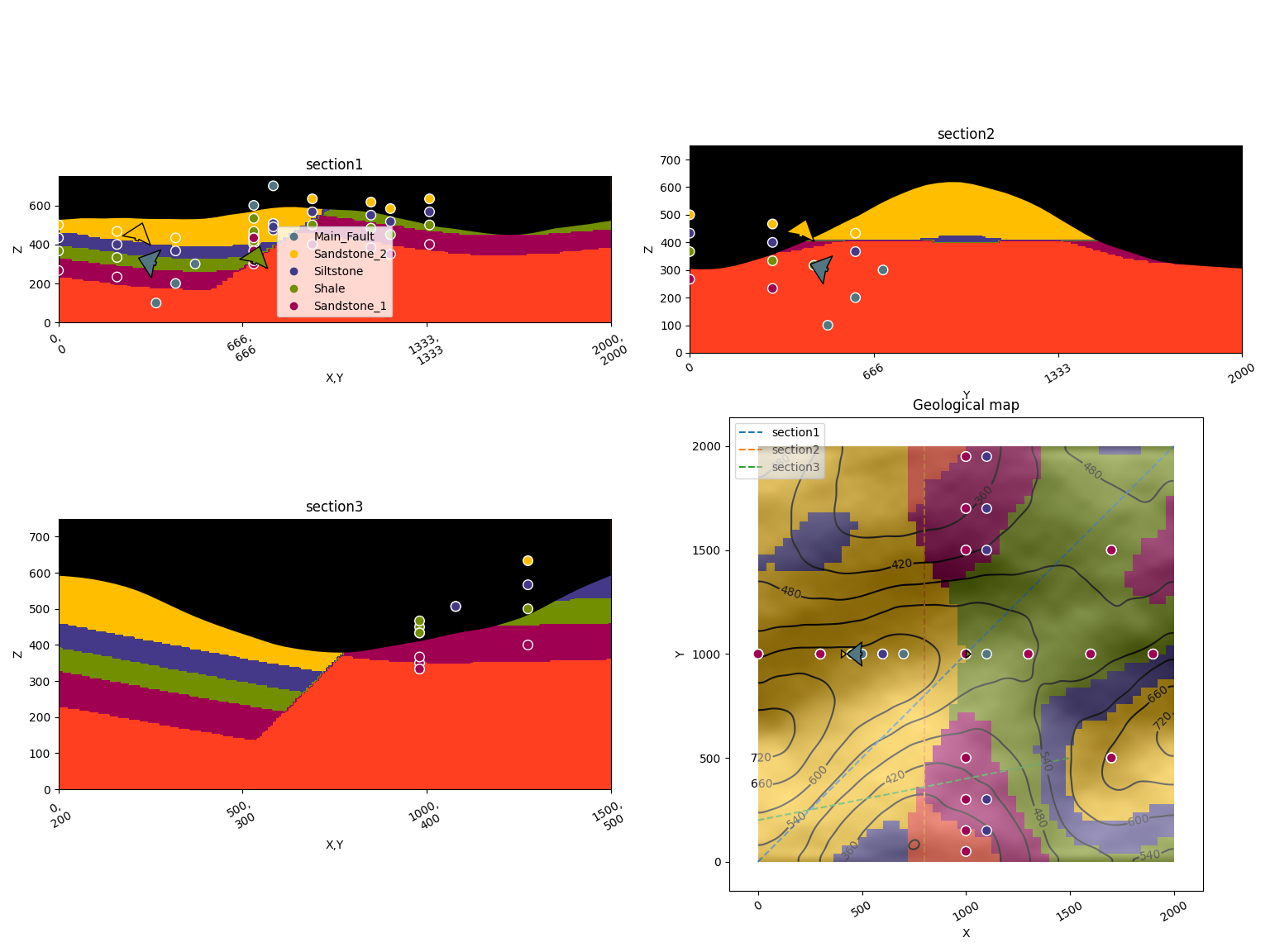
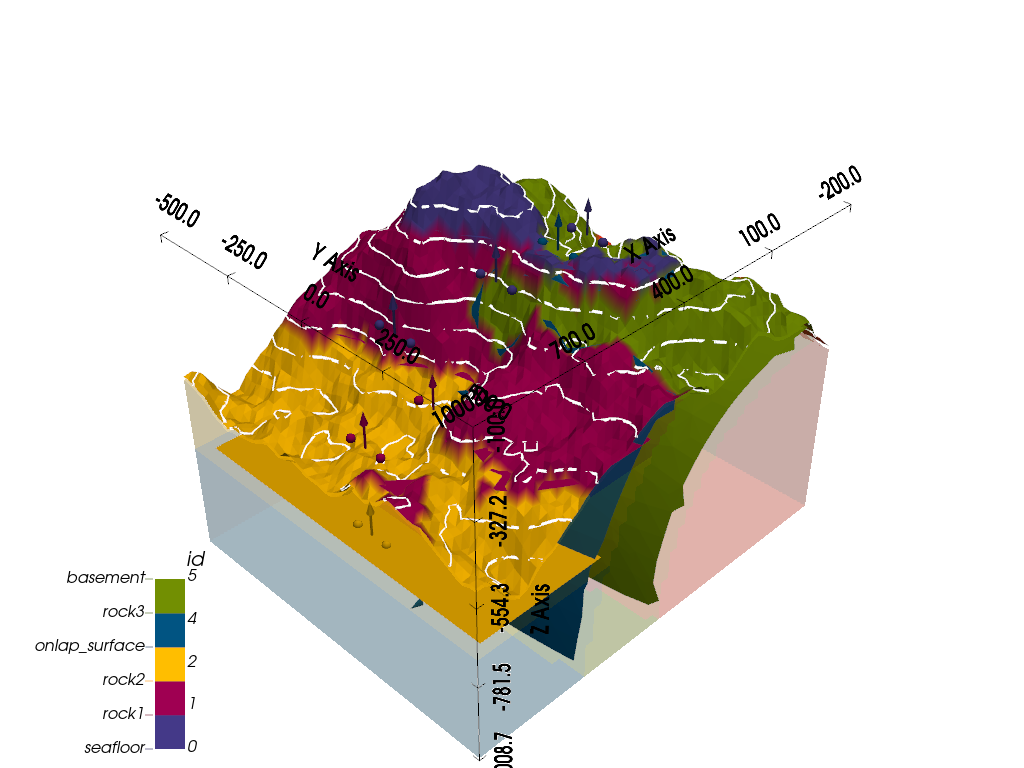
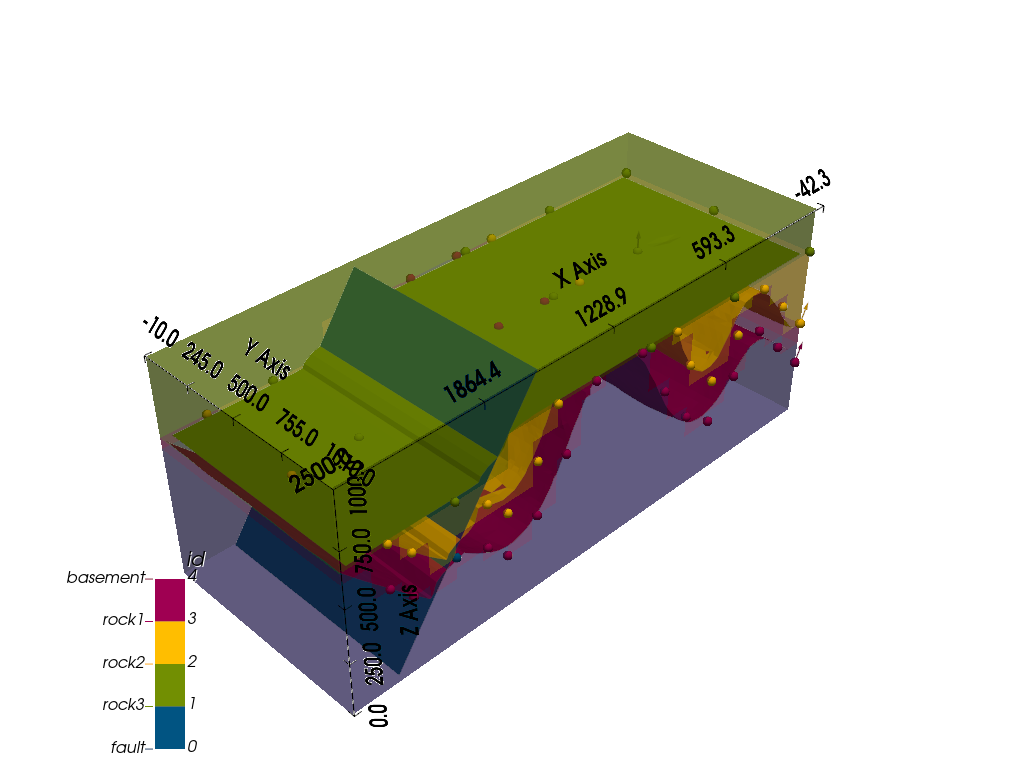
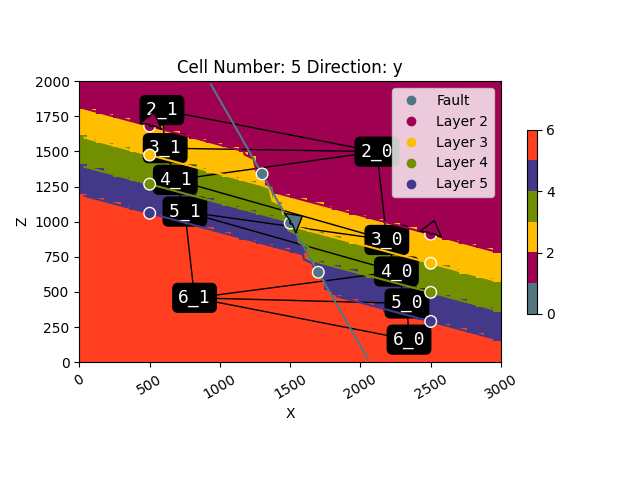
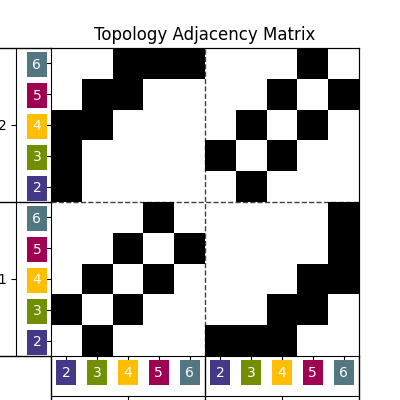
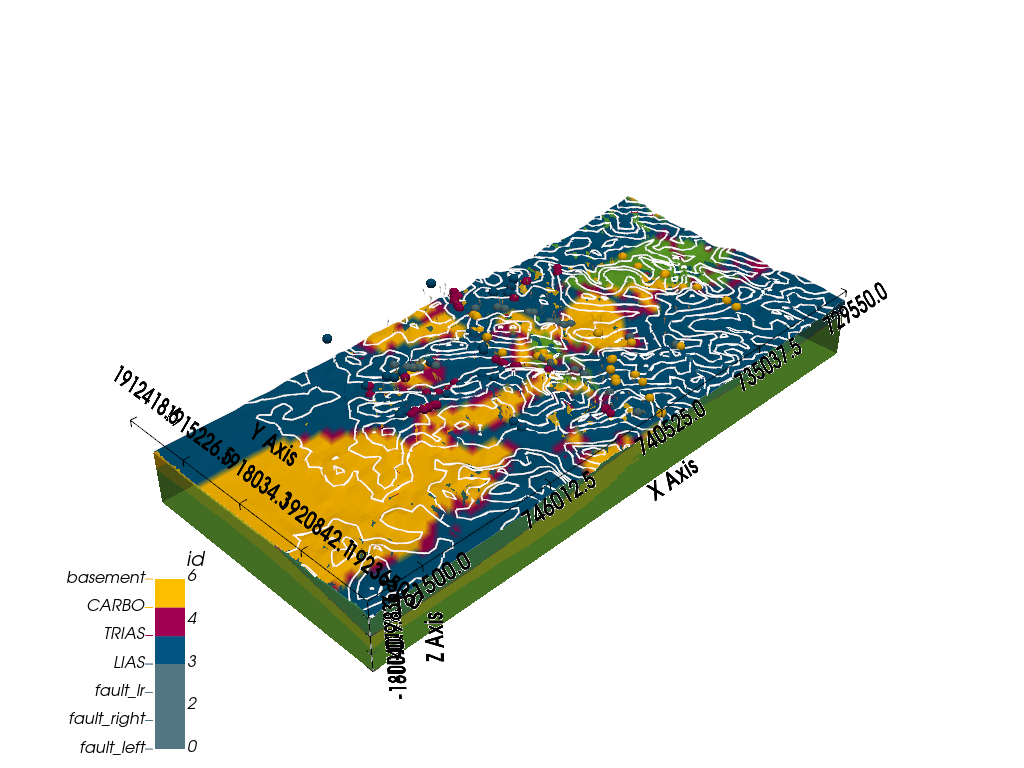
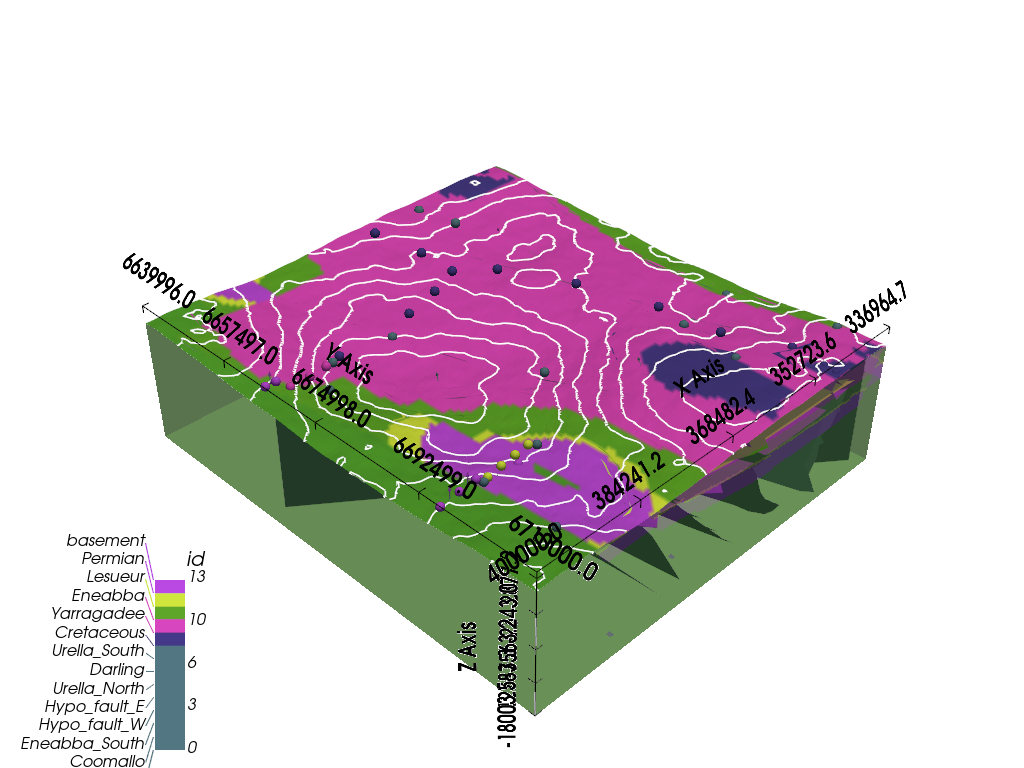
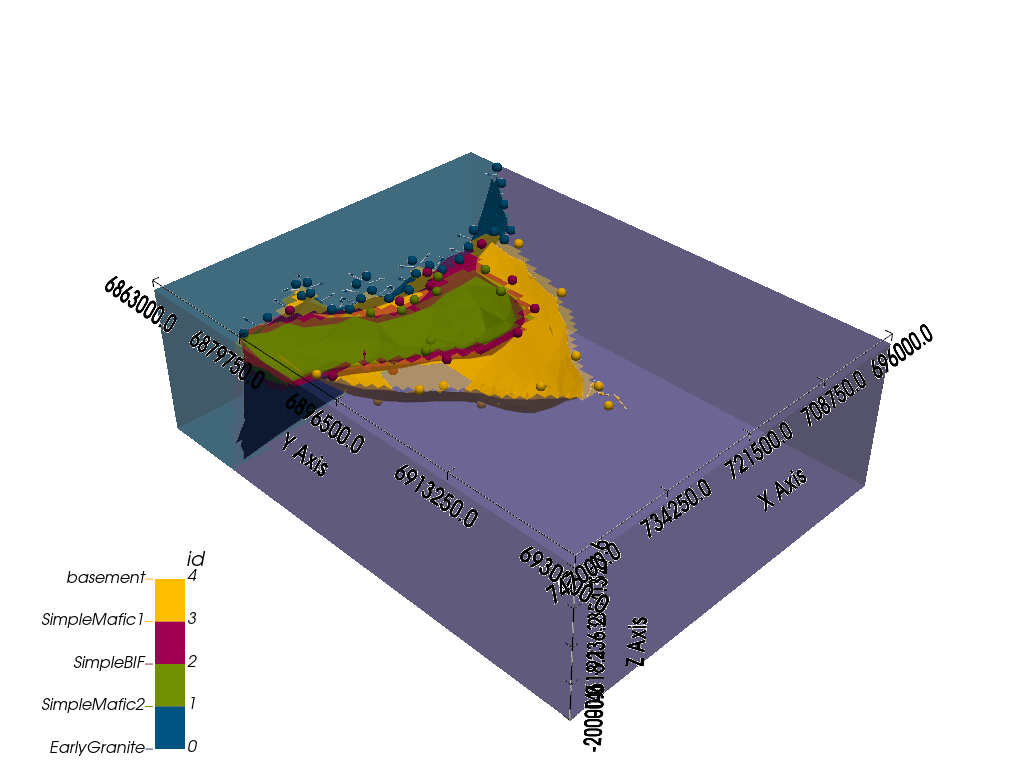
GemPy is a Python-based, open-source geomodeling library. It is capable of constructing complex 3D geological models of folded structures, fault networks and unconformities, based on the underlying powerful implicit representation approach.
We provide the latest release version of GemPy via PyPi package services. We highly recommend using PyPi,
$ pip install gempy[base]
After installation, you can either check the notebook tutorials or the video introduction to get started.
Go to the documentation site for further information and enjoy the tutorials and examples.
For questions and support, please use discussions.
If you find a bug or have a feature request, create an issue.
Follow these guidelines to contribute to GemPy.
)
|
)
|

|

|

|

|
|
|
|
|
|
|
|
|
|


